



 English
 Türkçe
 한국어
한국어 français
 Deutsch
 Español
 italiano
 русский
 tiếng việt
 العربية
 Afrikaans
Which Is Better for Your Needs: PET or PVC Decorative Film?
Jul 10, 2025
When choosing the right material for decorative or functional applications, polyethylene terephthalate PET film and PVC decorative film for furniture are two popular options. PET decorative film and PVC decorative film are versatile, widely used in industries ranging from window treatments to furniture finishes, but they differ significantly in properties, applications, and safety. As a leading PET decorative film manufacturer, Anke offers high-quality solutions tailored to various needs. This guide compares PET window film and PVC self-adhesive film, explores their differences with other materials like BOPP and polycarbonate, and addresses safety and identification to help you make an informed choice.
Understanding PET and PVC Films
What Is PET Film?
Polyethylene terephthalate PET film, commonly known as PET film, is a strong, transparent, and flexible plastic made from polyester. It’s widely used in applications like PET window film, packaging, and PET decorative film due to its durability, clarity, and resistance to moisture and chemicals. Anke’s PET clear film is designed for applications requiring high tensile strength and thermal stability, making it ideal for window films, protective coatings, and decorative surfaces.
What Is PVC Film?
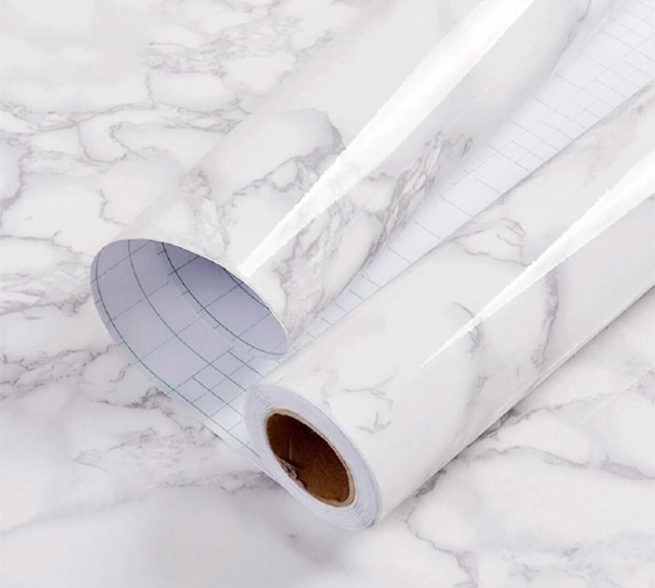
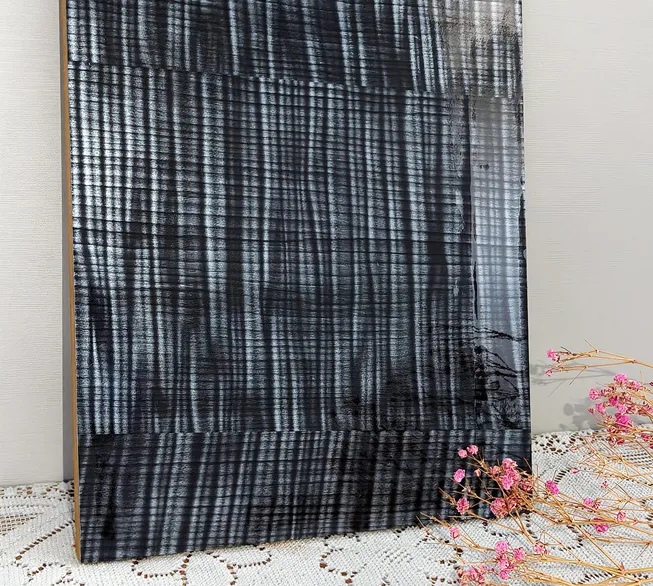
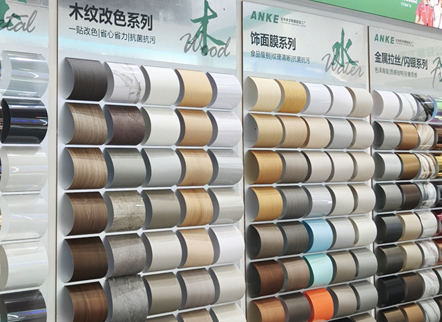
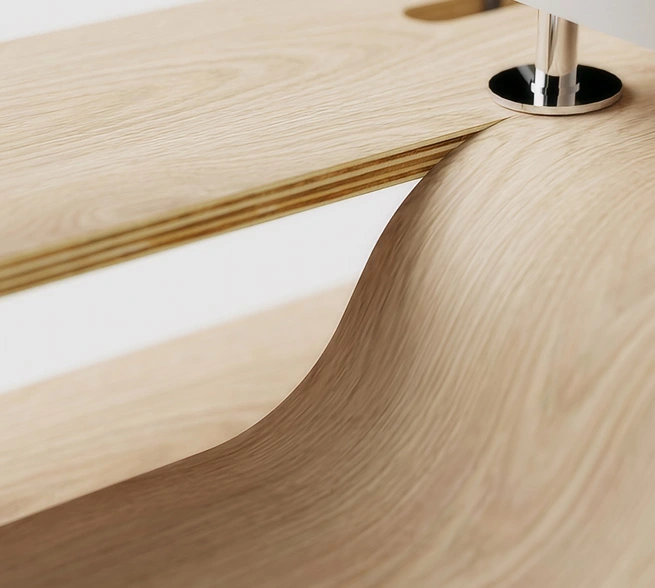
PVC, or polyvinyl chloride, is a versatile plastic used in PVC self-adhesive film and PVC wood grain film. Known for its flexibility and affordability, PVC glass decorative self-adhesive film is popular for furniture wraps, wall coverings, and decorative finishes. Anke’s PVC decorative film for furniture offers a realistic wood grain texture and easy application, making it a favorite for interior design projects.
Key Differences Between PET and PVC Film
Material Composition
PET Plastic Film: Made from polyethylene terephthalate, a type of polyester, PET is rigid yet flexible, with high tensile strength and excellent dimensional stability. It resists stretching and shrinking, making it ideal for PET window film applications.
PVC Film for Furniture: PVC is a vinyl-based material that’s softer and more pliable than PET. Its flexibility makes PVC self-adhesive film easy to apply to curved surfaces, such as furniture or cabinetry, but it may stretch or deform under heat or stress.
Durability and Strength
PET: PET decorative film is highly durable, resistant to tearing, and maintains its shape under temperature changes. PET decorative film is ideal for long-term applications like window films or protective layers.
PVC: PVC wood grain film is less durable than PET and may degrade over time when exposed to UV light or extreme temperatures, leading to yellowing or brittleness. However, Anke’s PVC furniture film is treated to enhance UV resistance for indoor use.
Clarity and Appearance
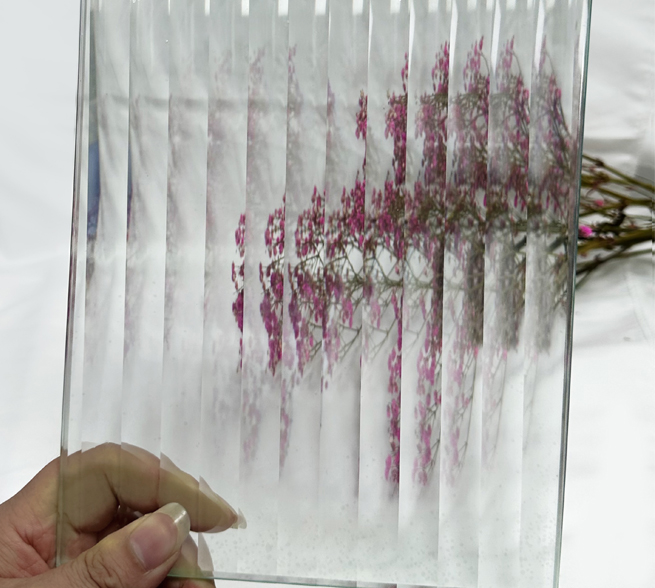
PET Clear Film: Offers superior optical clarity, making it perfect for applications where transparency is key, such as PET window film for safety or UV protection.
PVC: While PVC glass decorative self-adhesive film can be transparent, it’s often used for opaque or textured finishes like wood-grain PVC film, prioritizing aesthetic versatility over clarity.
Environmental Impact
PET: Polyethylene terephthalate PET film is recyclable and considered more environmentally friendly. PET decorative film is commonly recycled into products like bottles or fibers.
PVC: Recycling PVC is more challenging due to its chemical composition, and it may release harmful substances during production or disposal. Anke’s PVC self-adhesive film furniture is manufactured with eco-conscious processes to minimize environmental impact.
PET Film vs. BOPP and Polyester Film
PET vs. BOPP
BOPP (biaxially oriented polypropylene) is another plastic film often compared to PET plastic film. While both are used in packaging and labeling, BOPP is softer, less durable, and more prone to scratching than PET. PET decorative film offers better tensile strength and heat resistance, making it suitable for demanding applications like PET window film. BOPP, however, is more cost-effective for short-term uses like labels or food packaging. Anke’s PET clear film excels in applications requiring longevity and clarity over BOPP’s temporary solutions.
PET vs. Polyester Film
The terms “PET” and “polyester film” are often used interchangeably, as PET is a type of polyester. However, not all polyester films are PET, as the category includes other materials like PBT or PEN. Anke’s polyethylene terephthalate PET film is specifically formulated for high performance, offering superior strength and clarity compared to other polyester variants, making it ideal for PET decorative film and protective applications.
What Does PET Film Do?
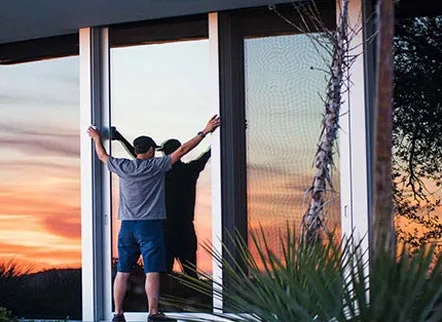
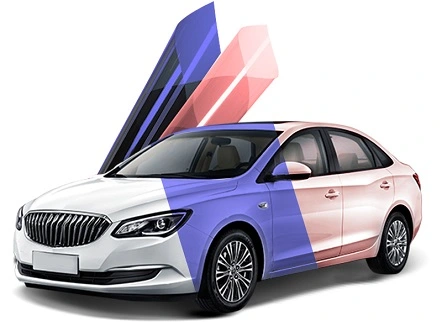
PET window film serves multiple purposes:
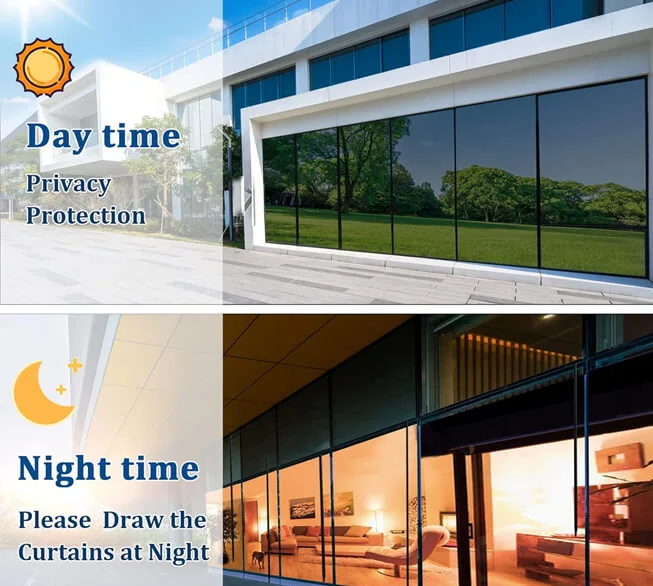
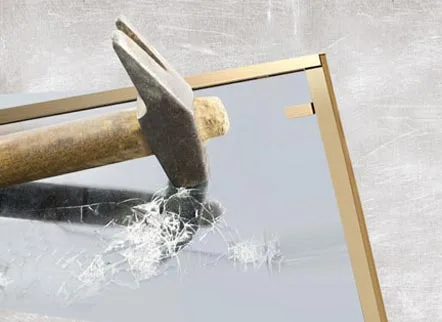
Safety and Security: It holds glass fragments together upon impact, reducing injury risks in windows or glass surfaces.
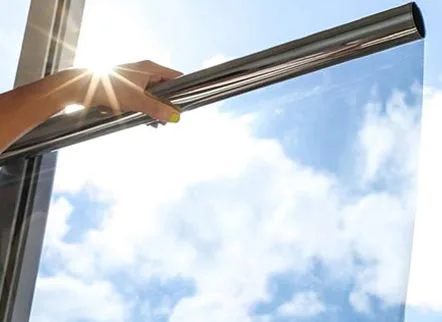
UV Protection: Anke’s PET clear film blocks up to 99% of UV rays, protecting interiors from fading.
Decorative Applications: PET decorative film adds aesthetic appeal to surfaces like furniture or walls while maintaining durability.
Insulation: It enhances thermal insulation, reducing energy costs in buildings.
Anke’s PET plastic film is versatile, used in everything from window safety films to high-end furniture finishes, combining functionality with style.
Is PET Better Than PVC?
Whether PET decorative film is better than PVC decorative film for furniture depends on the application:
PET Advantages: Superior durability, recyclability, and clarity make PET window film ideal for long-term, high-performance uses like safety films or outdoor applications.
PVC Advantages: PVC self-adhesive film is more flexible and cost-effective, making it suitable for decorative furniture wraps or temporary installations like PVC wood grain film.
For projects requiring longevity and environmental benefits, Anke’s PET clear film is the better choice. For budget-friendly, flexible applications, PVC furniture film is a practical option.
Is PET Film Safe?
PET plastic film is considered safe for most applications. It’s non-toxic, widely used in food packaging (e.g., water bottles), and doesn’t release harmful chemicals under normal conditions. Anke’s PET decorative film is rigorously tested to meet safety standards, ensuring it’s free from harmful additives like phthalates, which are sometimes found in lower-quality PVC films. PVC self-adhesive film furniture, while generally safe, may release volatile organic compounds (VOCs) during production or if exposed to high heat. Anke’s PVC film for furniture is manufactured to minimize VOC emissions, ensuring safety for indoor use.
How to Tell the Difference Between PVC and PET?
Identifying PET clear film versus PVC glass decorative self-adhesive film can be tricky, but here are some tips:
Texture and Flexibility: PET is stiffer and less pliable than PVC, which feels softer and more flexible.
Burn Test (Professional Use Only): When burned, PET produces a sweet, plastic-like odor and forms a hard, black residue, while PVC emits a sharp, chlorine-like smell and leaves a softer residue. Always conduct such tests in controlled environments.
Clarity: PET window film is typically clearer and less prone to yellowing than PVC.
Labeling: Check product specifications. Anke clearly labels our polyethylene terephthalate PET film and PVC wood grain film for easy identification.
Is PET Better Than Polycarbonate?
Polycarbonate is a strong, impact-resistant plastic used in applications like bulletproof glass. Compared to PET plastic film, polycarbonate is thicker, more rigid, and offers superior impact resistance, but is less flexible and more expensive. PET decorative film is better for applications requiring thin, flexible, and recyclable films, such as window treatments or decorative finishes. Anke’s PET window film provides a cost-effective alternative to polycarbonate for safety and UV protection without sacrificing performance.
Why Choose Anke’s Decorative Films?
As a trusted PET decorative film and PVC decorative film for furniture manufacturers, Anke offers tailored solutions for diverse needs. Our PET window film provides unmatched clarity, durability, and safety, while our PVC self-adhesive film for furniture delivers affordable, stylish finishes, such as PVC wood-grain film. Our PET decorative film and PVC decorative film are designed for easy application, environmental responsibility, and long-lasting performance.
Whether you’re enhancing windows, furniture, or interiors, Anke’s PET clear film and PVC film for furniture ensure quality and reliability. Enhance the aesthetics and durability of your interiors with PET decorative films and PVC decorative films. Explore our collection today and discover how these films can elevate your design game!
Conclusion
When choosing the right material for decorative or functional applications, PET decorative film and PVC decorative film are two popular options. Choosing between polyethylene terephthalate PET film and PVC self-adhesive film depends on your project’s requirements. For durable, eco-friendly, and high-clarity applications, Anke’s PET decorative film excels. For flexible, cost-effective decorative solutions, our PVC furniture film is ideal. By understanding their differences and applications, you can select the perfect film for safety, aesthetics, or functionality. Contact Anke today to explore our range of PET window film and PVC wood grain film for your next project.